
Third-party manufacturing for long-lasting, export-grade fragrance formats
Eau de Parfum (EDP) represents the flagship tier of fragrance products, offering high perfume oil concentration ranging from 20% to 30%. Designed to last 8–12 hours or longer, EDPs are ideal for luxury clients seeking a premium olfactory experience. Their rich composition allows top, middle, and base notes to unfold gradually, giving the user a complete, layered fragrance journey. EDPs are typically packaged in glass spray bottles and used in both male and female fragrance lines. They perform exceptionally well in cooler climates but are also suitable for evening or formal wear in any region. For brands aiming to position themselves in the prestige segment, launching an EDP range establishes credibility, desirability, and consumer loyalty. This format is the most export-friendly due to its universally accepted performance metrics. EDPs also allow for greater creative freedom in formulation, enabling perfumers to work with complex accords and signature notes. In the third-party manufacturing context, EDP is where maximum value addition and brand differentiation occurs.
Download Catalogue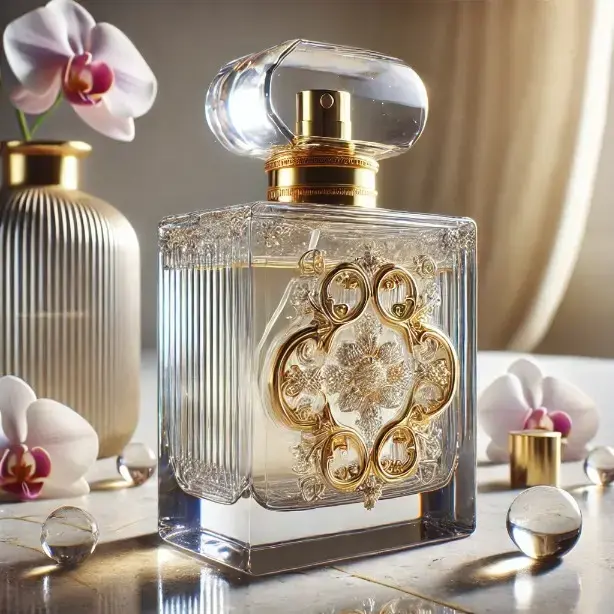
Eau de Toilette (EDT) is a mid-tier fragrance format with a concentration of 8% to 15%. Lighter than Eau de Parfum, it’s designed for casual, everyday use and appeals to a broader demographic due to its fresh, approachable scent profile. EDTs are particularly effective in hot, humid climates where lighter wear is preferred. While it doesn’t last as long as EDP, its affordability and versatility make it one of the most widely sold categories globally. Brands use EDTs to diversify their product lineup, often pairing them with deodorants or grooming accessories. This format is excellent for layering and daily wear, especially among younger users or those new to perfumery. From a manufacturing standpoint, EDTs allow quicker production cycles and budget-friendly pricing without compromising elegance. For export and retail shelf space, EDTs are bestsellers, balancing cost and desirability perfectly. With creative packaging and strong branding, EDTs can serve as introductory luxury, helping convert mass-market consumers into loyal fragrance buyers.
Download Catalogue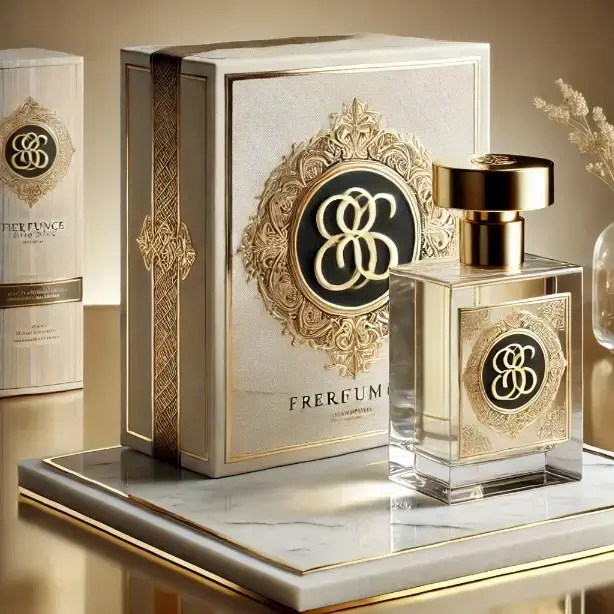
Roll-on perfumes are a highly versatile and globally accepted fragrance format, especially in regions where alcohol-based products face cultural or regulatory restrictions. These perfumes are oil-based and typically come in small, portable glass bottles with a stainless-steel roller for easy application. Their compact size and intense concentration make them perfect for travel, gifting, or religious use. Often called “attar-style” perfumes, roll-ons allow for controlled application to pulse points, resulting in longer wear without the volatility of alcohol. From a manufacturing perspective, they are cost-effective to produce and highly customizable, allowing for a wide range of variants in small batches. Roll-on perfumes are favored in Middle Eastern, African, and Indian markets due to their strong cultural relevance. With a growing demand for natural and alcohol-free products, they also appeal to conscious consumers. For private-label brands, this format offers excellent scalability and flexibility, from entry-level to niche luxury. Roll-ons provide high margin opportunities while requiring minimal investment in packaging machinery or regulatory compliance, making them an excellent choice for startups and established fragrance houses alike.
Download Catalogue
Solid perfumes offer a unique blend of convenience, portability, and sustainability, making them a favorite among modern consumers. These wax-based fragrances are created using natural bases like beeswax, cocoa butter, or shea butter, blended with concentrated fragrance oils. Free from alcohol and water, solid perfumes are skin-friendly, long-lasting, and ideal for reapplication throughout the day. Their leak-proof, travel-ready format fits perfectly in pockets, handbags, and luxury gifting kits. For brands, solid perfumes open up new avenues in eco-friendly, gender-neutral, and artisanal positioning. They can be molded into custom shapes, housed in reusable metal tins or wooden boxes, and paired with skincare lines for cross-category bundling. From a formulation standpoint, solid perfumes allow unique layering opportunities as they melt slowly into the skin, offering subtle, enduring scent trails. In third-party manufacturing, this format appeals to boutique brands, wellness companies, and curated subscription boxes. As global consumers seek multi-functional and sustainable options, solid perfumes deliver high perceived value in a small footprint.
Download Catalogue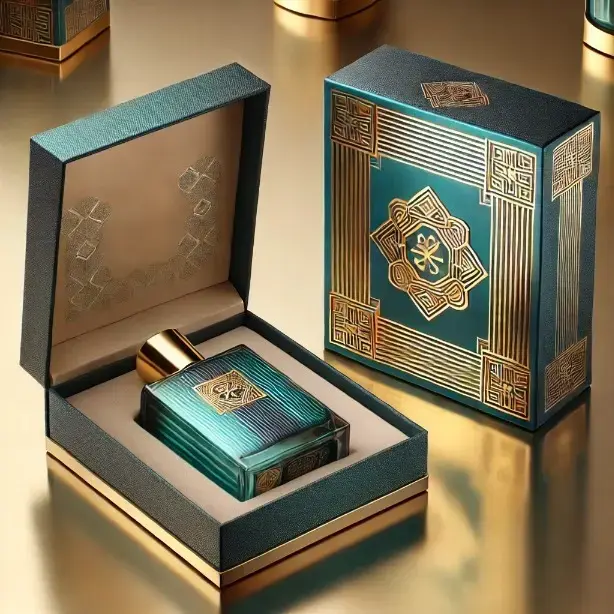
Cream-based perfumes are an emerging category that blends fragrance and skincare, offering a luxurious tactile experience with enhanced skin adhesion. These balms or emulsions are infused with fine fragrance oils and formulated using emollient-rich bases like shea butter, jojoba oil, or natural creams. Unlike sprays or alcohol-based products, cream perfumes provide a slow-release effect, locking the scent close to the skin for long hours without irritation. The creamy texture adds a sensorial element that elevates brand perception, making it a popular format for premium and wellness-focused lines. These products are ideal for dry climates, winter collections, or gift boxes. For third-party brands, cream-based perfumes offer a unique differentiator in a saturated market. They’re packaged in elegant jars, tubes, or mini pots, allowing for design-led positioning. Consumers looking for subtle, intimate fragrance experiences prefer cream perfumes over strong sprays. In export and boutique retail, this format delivers sophistication, safety, and indulgence — all in one product.
Download Catalogue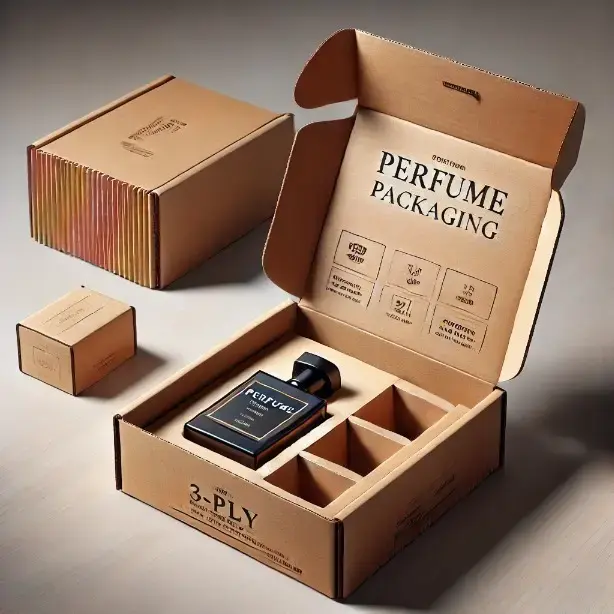
Petroleum jelly-based perfumes are specially crafted to offer high longevity and strong scent-lock capabilities, making them ideal for humid or tropical climates. This format utilizes a gel-like consistency where fragrance oils are suspended in cosmetic-grade petroleum jelly, creating a semi-solid balm that adheres to the skin for extended periods. These perfumes are waterless, alcohol-free, and skin-friendly, which makes them perfect for sensitive users and warm-weather exports. Typically packaged in small jars or travel pots, jelly perfumes are used on pulse points just like solid or cream perfumes. Brands leverage this format for both utility and novelty value — often adding shimmer, tint, or herbal actives for enhanced market appeal. From a manufacturing standpoint, jelly perfumes require simple filling systems and offer high output efficiency. Export demand is strong in Southeast Asia, Africa, and the Middle East where performance and climate compatibility are non-negotiable. The jelly base ensures the fragrance remains intact throughout the day, even during sweating or frequent movement. For third-party clients looking to add a high-performance, skin-safe format to their line, petroleum jelly perfumes offer an effective and memorable consumer experience
Download Catalogue
